63% are stuck at Intermediate
Intelligence organizations trapped in reactive competitive analysis struggle to influence strategy. But companies that master intelligence maturity frameworks evolve from explaining the past to shaping the future through strategic market intelligence.
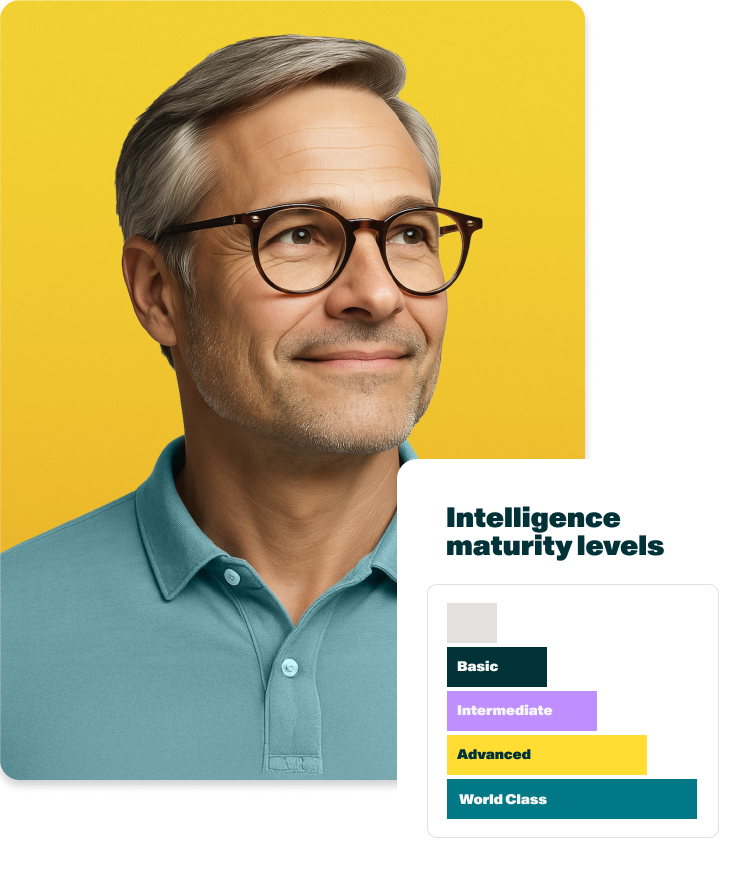

Defining world class intelligence
After analyzing 1,000+ intelligence transformations over 25 years, we’ve mapped the exact progression from reactive to strategic. Our Intelligence Maturity Framework reveals the six key success factors that separate world-class performers—who show 37% share price growth versus 7% market average—from the rest.
The intelligence maturity reality check
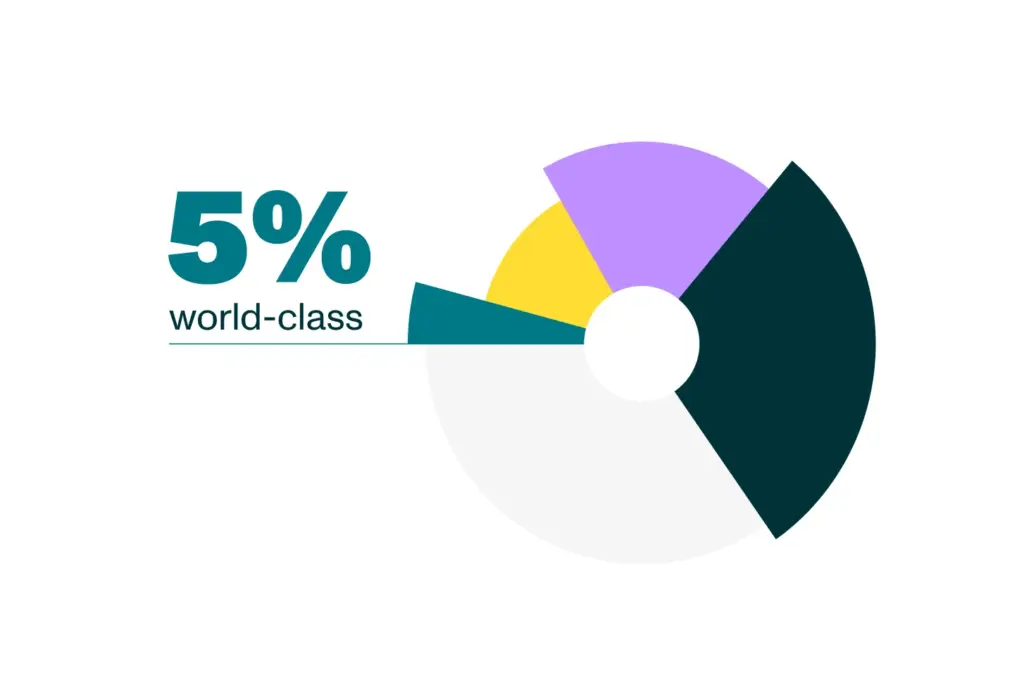
Only 5% achieve world-class status
Most intelligence functions operate at Basic levels, reactive and under-resourced. But the organizations that crack intelligence maturity see measurable competitive advantages: 77% profit growth and 24.6% more efficient decision-making.
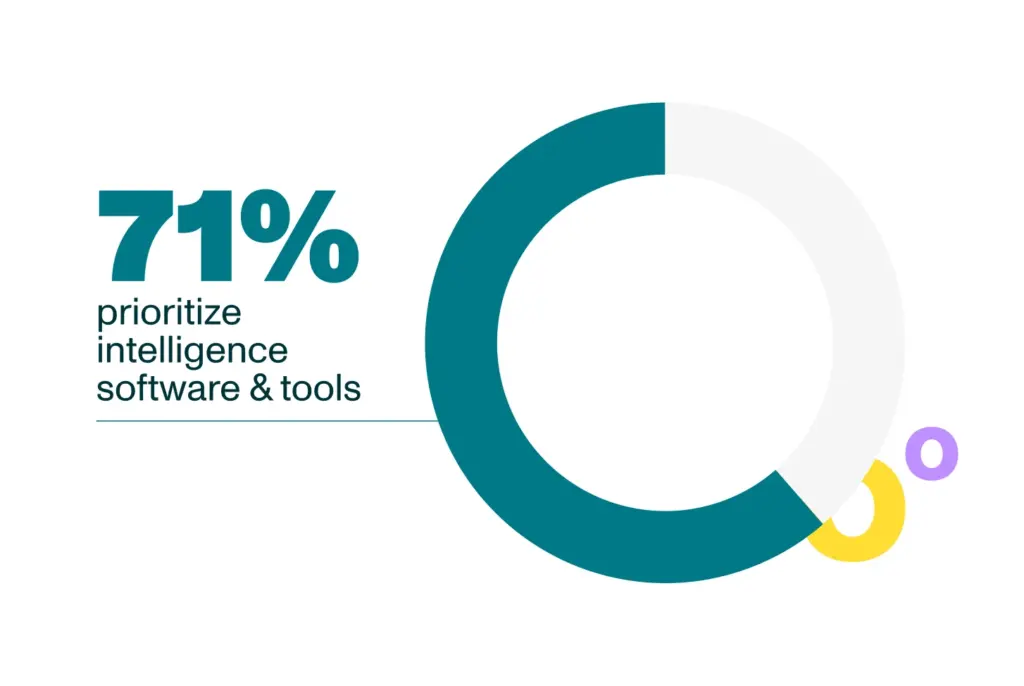
71% prioritize CMI software and tools
World Class competitive intelligence teams invest heavily in intelligence platforms and AI-powered market intelligence tools. Technology integration combined with strategic processes creates clear differentiators for advanced intelligence maturity levels.
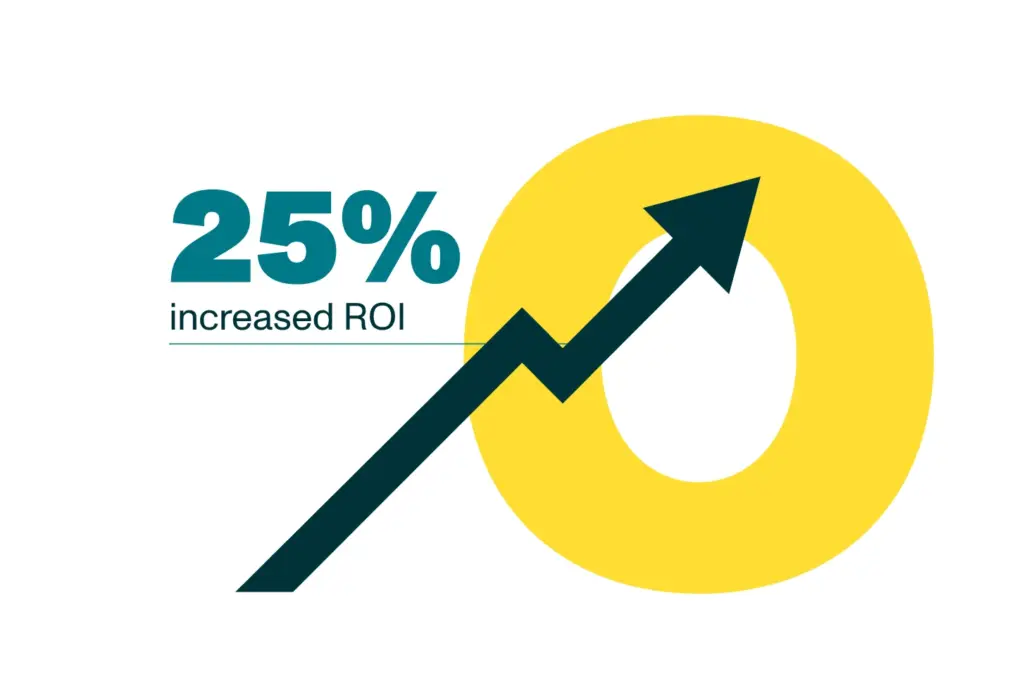
They also deliver 25% more ROI
Advanced intelligence programs don’t always cost more and they deliver proportionally higher returns. World-class teams generate 25% more ROI on intelligence investments through strategic integration and outcome measurement.
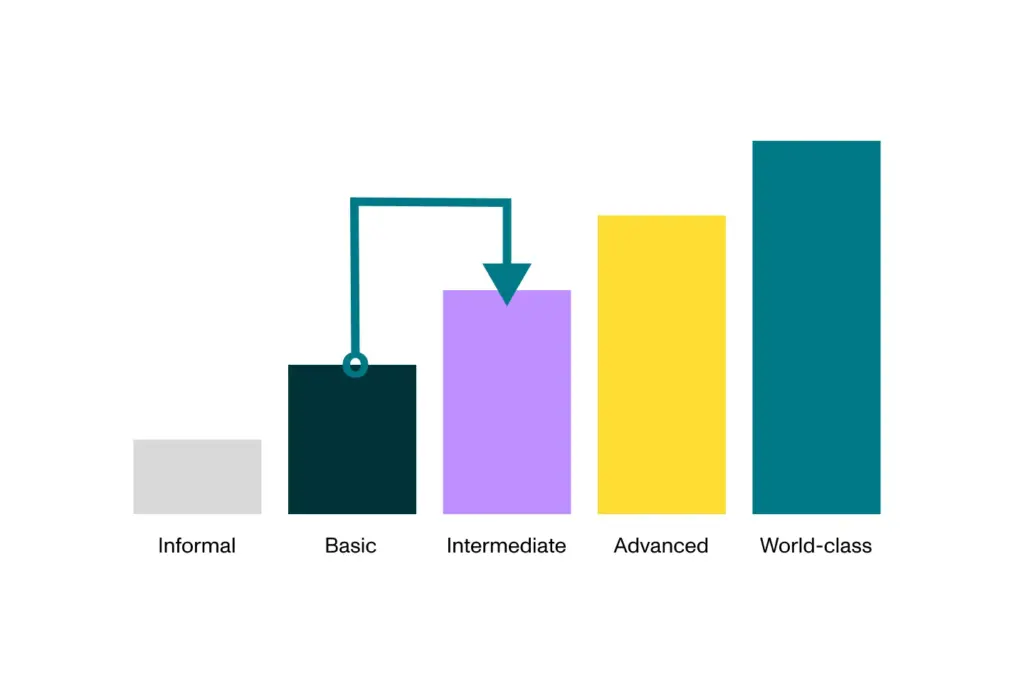
The 5 intelligence maturity levels
Every world-class intelligence function started somewhere—and the path forward is clearer than you think. Each level builds essential capabilities that move you closer to strategic influence.
01 Level 1: Informal intelligence
Your organization deals with fragmented sources and irregular processes, focusing on past events rather than future trends. Teams operate reactively with ad-hoc information requests, uncoordinated purchases, and hastily assembled deliverables shared through email and folders
02 Level 2: Basic intelligence
You’re focused on operational insights about customers and competitors over the next year. Someone is accountable for intelligence activities, and you have basic information collection systems, but analysis may be limited and organizational culture remains neutral toward intelligence.
03 Level 3: Intermediate intelligence
A dedicated intelligence professional manages systematic data analysis. You have a centralized intelligence platform driving insights across teams. Regular market monitoring and analysis reports support business decisions, though organizational awareness is still developing.
04 Level 4: Advanced intelligence
You conduct deep strategic analysis integrated with business decisions through user-friendly platforms. Intelligence combines internal and external data, including AI-powered tools. Deliverables are customized for end-users with active two-way communication and full top management support.
05 Level 5: World-class intelligence
You seize market opportunities with future-focused intelligence scope. Expert teams collaborate with internal and external networks. AI-integrated platforms deliver insights in multiple interactive formats. A strong intelligence culture values intelligence’s role in strategic decision-making across all organizational levels.
How to use your intelligence maturity level
Your intelligence maturity assessment isn’t a grade—it’s your strategic GPS.

Diagnostic clarity
Understand your current reality across six key success factors—focus, organization, process, tools & AI, deliverables, and culture. Identify which dimensions need immediate attention versus long-term development.
Progressive roadmap
Don’t jump levels overnight—each builds essential capabilities. Moving from Basic to Intermediate? Focus on systematic analysis and stakeholder relationships. Advancing to Advanced? Integrate with business processes and embrace AI tools.
Benchmark context
Your level means much more with an industry comparison. Our Global Intelligence Report shows how similar organizations perform, what’s possible in your industry, and proven practices from the 5% who achieve world-class status.
The 6 key success factors for intelligence maturity
Strategic scope & time horizon
What you monitor and why.
World-class intelligence covers broad, deep, future-oriented topics extending beyond immediate operating environment. Advanced teams balance comprehensive market monitoring with analytical deep dives on specific strategic topics, maintaining 5-10 year time horizons while addressing current business needs.
Structure & skills
How you organize intelligence work.
Advanced functions have comprehensive analytical, digital, and consultative skills with dedicated resources in business units. Strong internal networks collaborate actively with external partners, anticipating stakeholder needs proactively rather than responding to requests reactively.
Integration & workflow
How you turn data into decisions.
Sophisticated processes create intelligence deeply rooted at both global and local organizational levels, fully integrated with key business processes. Clear workflows span from needs analysis to feedback collection, with targeted communication delivered at specific decision points.
Technology & automation
What platforms accelerate your work.
Intelligence collection from wide data sources is largely automated with AI-powered analysis and recommendations. Digital tools support collaboration and two-way communication, enabling visualization and seamless integration with other enterprise platforms and databases.
Communication & formats
How you share insights.
High future orientation with collaborative insight creation, delivered through highly interactive formats across multiple channels. Deliverables are tailored in format and content to specific audiences, promoting active engagement rather than passive consumption of intelligence.
Mindset & adoption
How your organization values intelligence.
Strong intelligence mindset reflected in curiosity toward operating environment with active insight co-creation across all organizational levels. Top management voices continuous support while employees participate actively in producing content and sharing market observations.

Benchmark against 20 years of intelligence data
Your competitive intelligence maturity calculator results reveals where you stand today. The Global Intelligence Report—the longest-running benchmark in market intelligence—shows how you compare to industry peers and what’s possible for organizations like yours.